How is QR678 different from PRP?
These medications, including Minoxidil and Finasteride, are riddled with side effects such as the itchy scalp, sexual dysfunction, infection on the scalp etc. Minimal side effects and non-invasive treatment are the two important factors that patients seek in hair fall treatments.
QR678
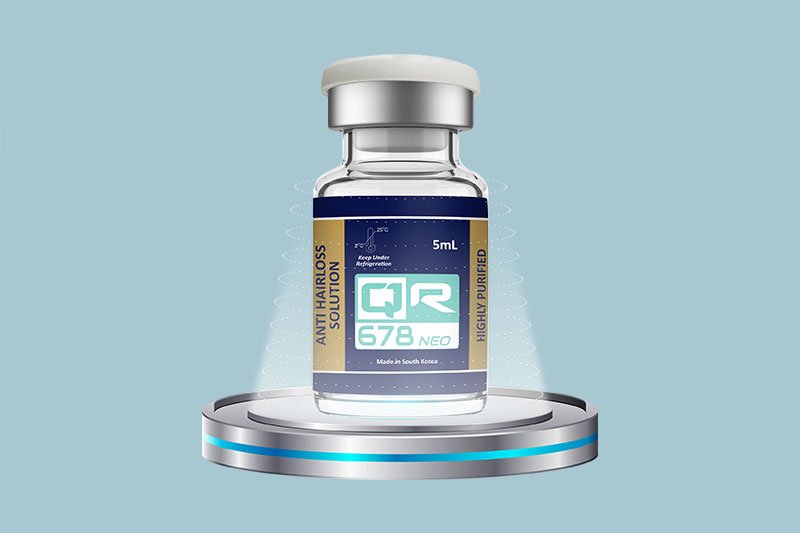
The QR678 research & development platform technology is a proprietary first-in-class technology. This science backed technology is giving rise to multiple products that arrest hair fall and address the thickness, density of hair follicles leading to greater coverage in hair loss. This R&D technology deals with multiple human hair growth related growth factors that are naturally present in our scalp making products derived from these completely natural. Research on this platform technology has resulted in this being awarded USA & Indian patents and has led to over 13+ clinical research papers being published with products derived from this unique technology. The hair growth factors penetrate deep into the scalp and provide nourishment to the scale. Unlike other treatments that contains harmful medication, products derived from QR678 are almost completely devoid of side effects.
PRP
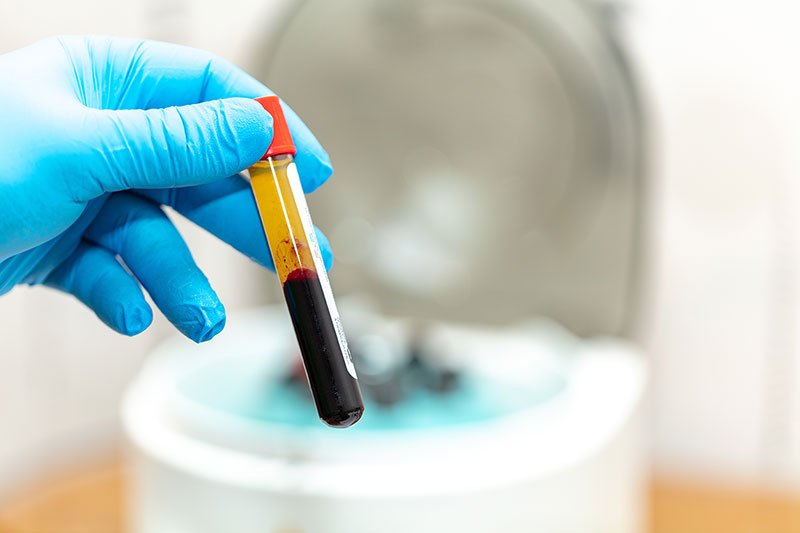
PRP stands for Platelet Rich Plasma. Platelets are a component of the blood that reach the injured site of the body first to stop the bleeding. The idea behind PRP treatment is to extract the concentrated platelets from the blood and inject them at the site of hair loss to stimulate hair growth. The plasma contains man y growth factors and proteins that many practitioners claim might stimulate the damaged hair follicles in the form of white blood cells and platelets. The efficacy of PRP therapy for treatment of hair loss by increasing the hair count, thickness and growth phase is still under research and there is no official conclusive evidence about the effectiveness of PRP. Thus, QR678 is better than PRP therapy as it is a natural, plant derived, safe and efficacious therapy for hair loss. It is a quick, 10 minutes chair-side procedure with minimal down time.
| QR678® Derived Products | PRP |
| Standardized solutions – method & frequency of administration, dosage, etc. | No standardization |
| Robust clinical data on safety and efficacy | Unreliable and methodically inadequate data |
| Targeted solutions – only hair growth specific factors in the right concentration | Multipurpose and non hair specific |
| Clinical evidence in – Androgenetic Alopecia, Alopecia Areata, Chemotherapy Induced Alopecia, Telogen Effluvium | Lack of valid evidence |
| Easy and quick to use | Cumbersome and longer procedure |
| No inhibitory growth factors | Some inhibitory factors + |
| No investment in device etc | Investment for devices + |
| No biohazard | Contact with body fluids |
| Negligible side effects | Painful, higher incidence of side effects |
| Patented products, regulatory approved in 10+ countries | ? |
PRP is not effective if
- Your hair loss is due to conditions such as lupus, and thyroid diseases.
- You are on blood thinning medications
- You have been losing hair for more than five years
- You are suffering from skin cancer or have an infection on the scalp
- You have bleeding and clotting disorders

PRP therapy for Hair regrowth:
The process
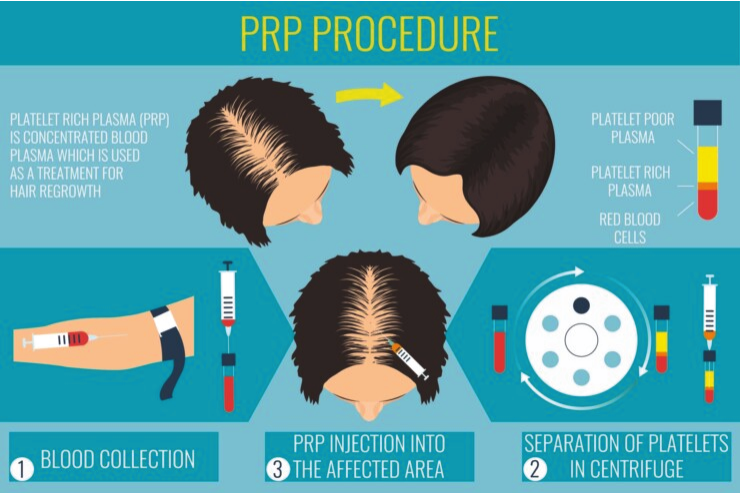
PRP therapy for hair regrowth is a three-step process. The dermatologist will examine your hair and scalp before deciding on the term and intensity of the treatment. On an average, the treatment is given in the interval of over four to six week (three times). Maintenance treatments come four to six month apart.

Step
The doctor will remove the requisite amount of blood from your arm. The blood is then spun through a centrifuge.

Step
Centrifuge separates the blood component in three parts: red blood cells, platelet rich plasma, and platelet poor plasma. The doctor will then extract the platelet rich plasma in a syringeplasma in a syringe.

Step
The PRP is then injected in the scalp at the follicle level. The process is a very precise method and the injections are placed approximately half an inch apart covering the area of hair loss. The entire process takes about an hour.
Results and Risks of PRP
- PRP therapy for hair regrowth is not a one-time session process multiple sessions are needed to see the full results. The results vary on the basis of the type of preparation, session intervals, and injection techniques.
- PRP is not a cure for hair loss; it stimulates hair regrowth but does not treat the underlying causes of hair fall. Therefore, multiple treatments are needed over time to maintain the hair growth.
- There are no standard protocols for PRP injections and it is not an FDA approved treatment for hair loss and therefore every clinic uses their own preparation. The results of PRP therapy have shown some effectiveness for people with low and medium hair loss.
- PRP uses only one growth factor, which does not completely heal the hair follicles.
- Side effects include headache, mild pain in the injection and withdrawal site and some scalp tenderness.
PRP is considered as an ‘off label’ treatment method for hair regrowth. FDA is still to put its stamp on its benefits over weighing the risks. This means that the practitioner can only recommend it if he or she feels that it is going to be useful for you.